GENDER, EDUCATION, AND CLIMATE CHANGE SPECIALIST
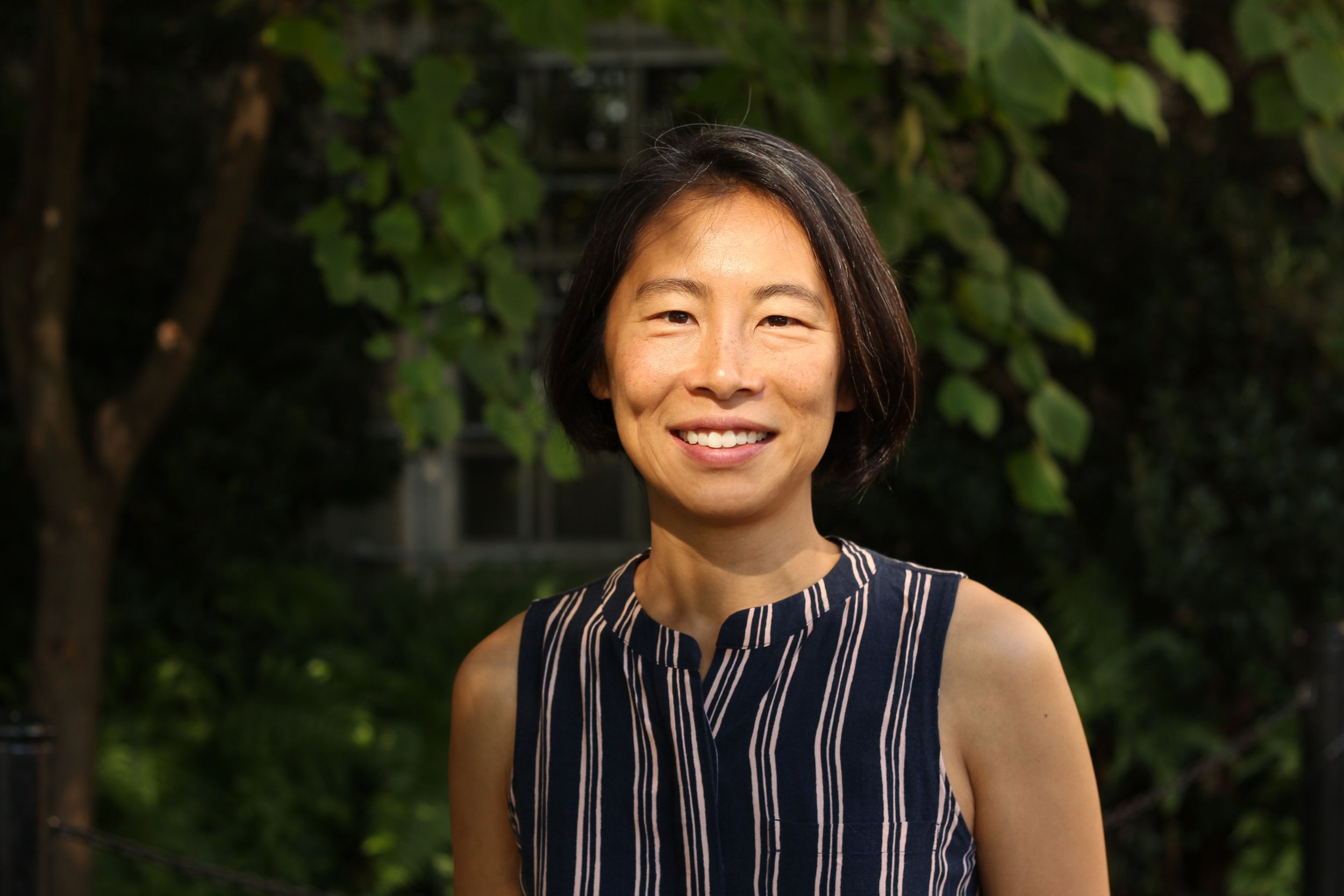
Christina Kwauk, PhD
Co-founder, Unbounded Alliance
Photo Credit: Andrew Fulton
THREE POWERFUL INTERSECTIONS

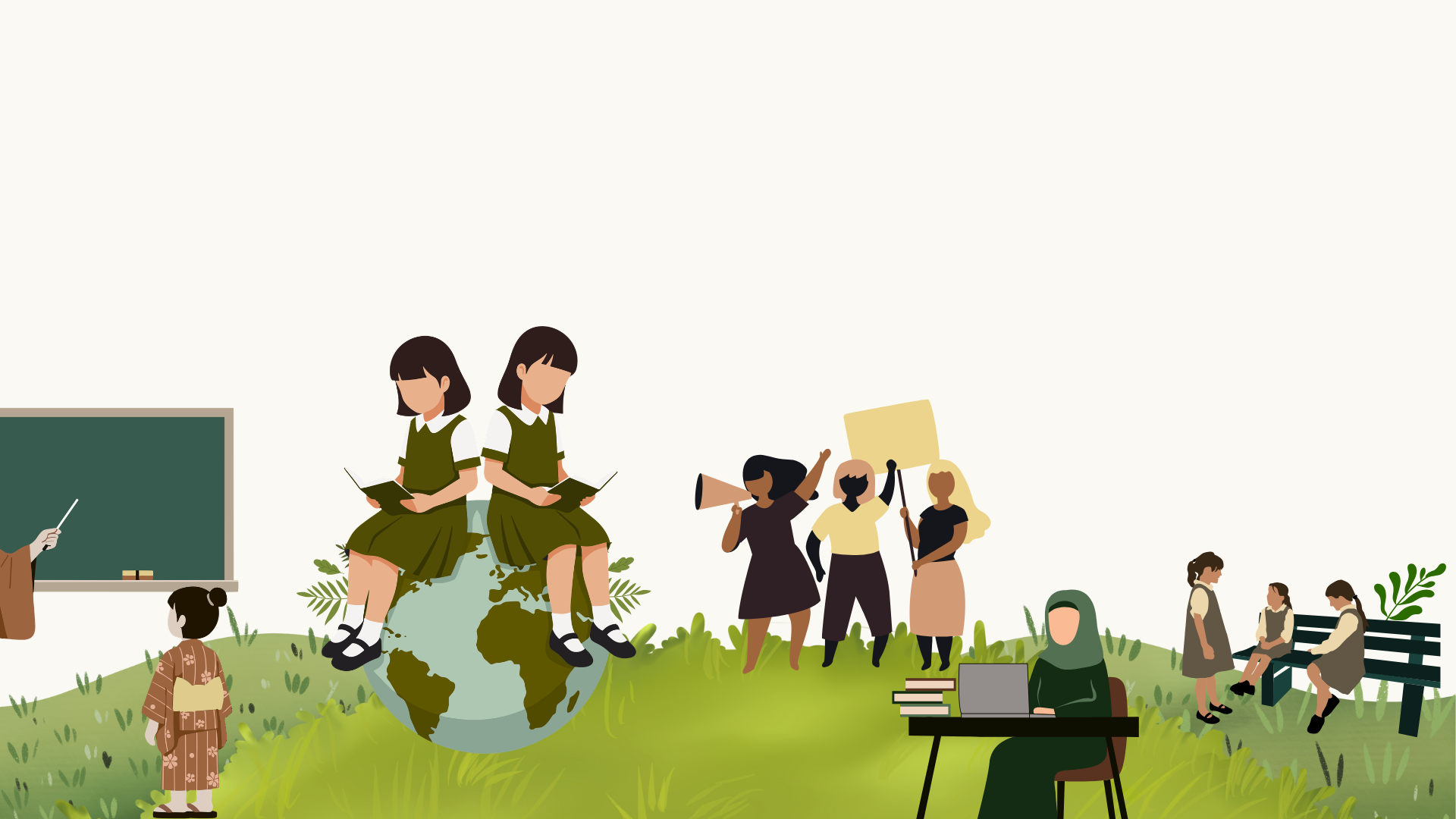
GENDER
Gender shapes both vulnerability to climate change and access to solutions. Women and girls often bear disproportionate climate impacts due to unequal access to resources, decision-making, and education. Addressing gender inequality is therefore essential to building resilience and ensuring climate responses are just, inclusive, and effective.

EDUCATION
Education is a powerful lever for change when it goes beyond skills training to address values, power, and equity. Gender-responsive, climate-aware education equips learners to understand environmental challenges, question inequality, and participate meaningfully in solutions. Educating girls yields multiplier effects for families, communities, and long-term sustainability.

CLIMATE CHANGE
Climate change magnifies existing social inequalities, including gender disparities, making it more than a technical or environmental problem. Effective climate action requires educated populations who can innovate, adapt, and govern sustainably. Integrating gender and education into climate strategies strengthens resilience and supports a fairer transition to a greener future.